
 See Our Latest Article on HelloNation

If you’ve ever experienced aching muscles that just won’t let up, knots in your shoulders after a day in the office, or unexplained pain spreading from your back into your arms or legs, you may be dealing with myofascial trigger points. For residents in North Castle, NY—where active lifestyles, outdoor recreation, and long commutes are common—understanding trigger points and muscle pain is essential for managing both chronic and acute discomfort.
What Are Trigger Points?
Trigger points are small, tight knots that form in the fascia, the connective tissue surrounding muscles. These points are often tender to the touch and can refer pain to other areas of the body. Unlike typical muscle soreness after a workout, trigger point pain can be persistent and can significantly affect your quality of life.
- A trigger point can develop in any skeletal muscle.
- They are commonly found in the neck, shoulders, back, and hips.
- When pressed, they can cause pain both locally and in seemingly unrelated areas.
Why Are Trigger Points Common in North Castle, NY?
North Castle residents often balance busy workdays with an appreciation for the town’s natural beauty—hiking at Kensico Dam, walking in the North Castle Parks, or golfing at local courses. However, these activities, combined with long hours of sitting (especially for those commuting to NYC), can promote muscle strain and poor posture, two major contributors to trigger point development.
Local Lifestyle Risk Factors
- Long daily commutes leading to prolonged sitting and muscle tension.
- Active weekends and sports, which can overwork and fatigue muscles.
- Desk jobs in local businesses and work-from-home setups with less-than-ideal ergonomics.
How Do Trigger Points Cause Muscle Pain?
The science behind trigger points involves both muscle and nervous system interactions. When a muscle is overused, injured, or held in one position for too long, parts of it can lose blood supply and contract into a hard knot. These knots compress nerves and can send signals resulting in:
- Localized muscle pain, tightness, and tenderness.
- "Referred pain"—pain felt in a different area, such as a tension headache from a neck trigger point.
- Reduced movement, flexibility, and strength, limiting participation in favorite local activities.
Symptoms of Trigger Points
Living in North Castle means juggling work, family, and recreation. Recognizing signs of trigger points can help you take action:
- Deep, aching muscle pain or a persistent dull ache.
- Stiffness that feels better with movement.
- Sensations of knots when you massage your muscles.
- Pain that seems to shoot or radiate from one part of the body to another.
- Sudden muscle weakness without obvious injury.
If you recognize these symptoms—especially alongside your local commuting or activity habits—it’s worth investigating further.
Common Question: How Do I Know My Muscle Pain Is From Trigger Points?
Search engine users frequently wonder how to tell the difference between muscle soreness and pain caused by trigger points. While delayed-onset muscle soreness (DOMS) fades in a few days, trigger point pain can persist for weeks or months and may recur with certain activities or stress.
- Trigger points cause focal tenderness and pain on pressure.
- They often cause referred pain patterns, unlike general muscle soreness.
- Stretching may not always relieve the pain, unlike typical sore muscles.
Everyday Activities in North Castle That Can Irritate Trigger Points
Certain everyday choices and regional habits make North Castle residents susceptible to trigger points:
- Long hours spent at the computer, common among those working from Armonk or home offices.
- Carrying heavy bags after shopping in local stores or from farmers’ markets.
- Weekend sports leagues or outdoor yoga sessions that overuse specific muscles.
- Gardening or yard work, popular in North Castle’s spacious neighborhoods.
Can Trigger Points Be Prevented?
Prevention ties closely to lifestyle—making slight changes can pay dividends:
- Set up a proper ergonomic workstation, even at home.
- Take frequent breaks from sitting, especially during long commutes or work hours.
- Warm up and stretch before and after outdoor activities, such as hiking or playing at North Castle’s parks.
- Stay hydrated—muscles need water to maintain flexibility.
How Do Chiropractors Treat Trigger Points?
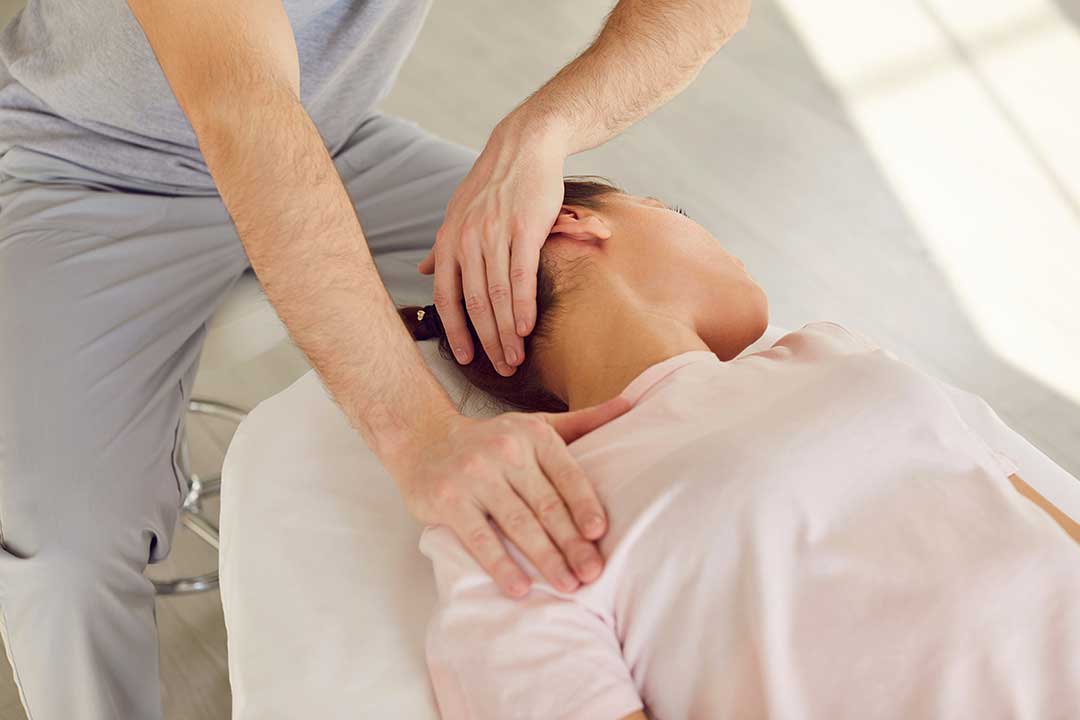
Chiropractors in North Castle, NY, are often sought out for relief from muscle pain. A chiropractor can:
- Identify specific muscle knots via palpation and medical history.
- Use manual trigger point therapy, including direct pressure or stretching.
- Incorporate gentle spinal adjustments to improve posture and relieve nerve pressure.
- Offer advice on posture and exercises tailored to local activities.
Some chiropractors may use tools such as dry needling, percussion massage, or electrical stimulation. Treatment is highly individualized and may include a wellness plan to prevent recurrence.
When Should I Seek Help for Trigger Points?
If muscle knots or pain start interfering with your work, sleep, or ability to enjoy North Castle’s many recreational activities, it’s time to seek professional help. Quick intervention can:
- Prevent chronic pain from setting in.
- Improve your mobility and quality of life.
- Allow you to resume favorite activities, from playing with your kids at Clove Road Park to hiking in Wampus Brook Park.
Conclusion
For those living in North Castle, NY, managing trigger points and muscle pain is key to maintaining an active, fulfilling local lifestyle. Recognizing the signs of trigger points, understanding how they arise from both sedentary and active habits, and taking action can empower you to prevent pain from interrupting your day. If you find persistent knots or unexplained muscle pain affecting your everyday life, consider reaching out to a chiropractor familiar with the specific needs and lifestyles of North Castle residents.
