
 See Our Latest Article on HelloNation
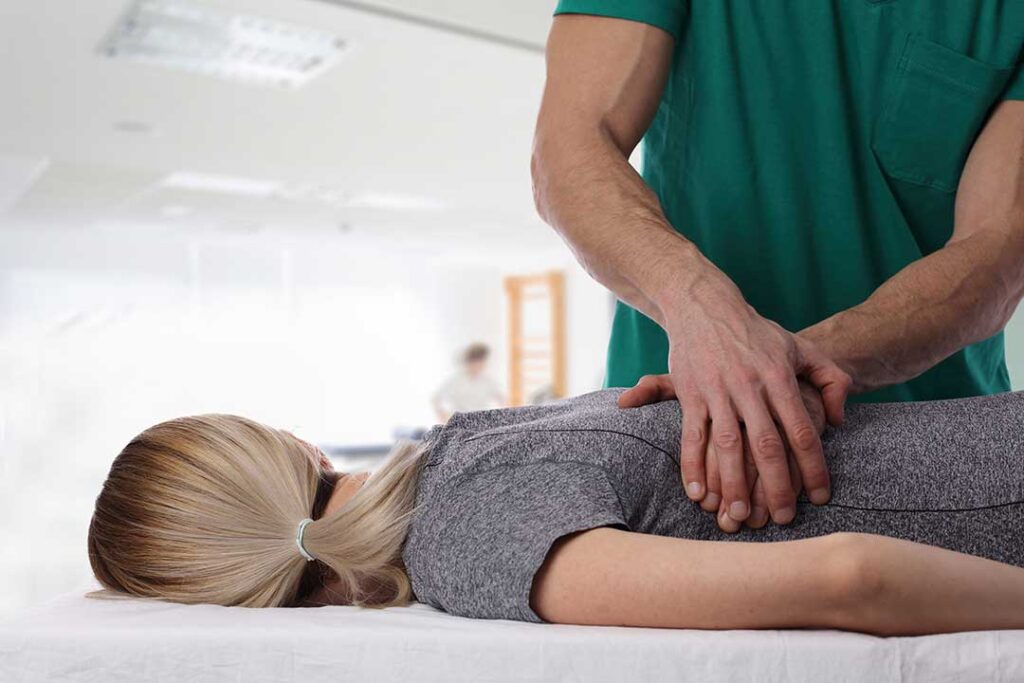
Neck clicking is common and is often caused by ordinary movement of joints, tendons, or ligaments. A painless click by itself usually does not mean the neck is being damaged. The sound deserves more attention when it is new, persistent, painful, or accompanied by symptoms such as numbness, weakness, dizziness, or trouble walking.
What causes clicking in the neck?
Most neck sounds come from normal movement inside or around the small joints of the cervical spine. These joints contain lubricating fluid and are surrounded by a capsule. When the joint changes position, pressure can shift and produce a popping or cracking sound. This process is sometimes called cavitation. ([health.clevelandclinic.org](https://health.clevelandclinic.org/is-it-safe-to-crack-your-neck?utm_source=openai))
Other possible sources include:
- A tendon or ligament moving across a nearby bone
- Tight muscles changing how the neck moves
- Stiff joints that do not glide smoothly
- Age-related changes in the joints
- Irritated or inflamed tissues after a strain or injury
- A disc or joint problem that affects surrounding structures
The sound may seem louder when turning the head slowly, looking upward, or getting out of bed. That does not necessarily mean the underlying problem is serious.
Is painless neck clicking normal?
In many cases, yes. Painless clicking that occurs occasionally and does not limit movement is usually less concerning than clicking combined with pain or neurological symptoms. Many healthy joints make sounds during movement, particularly after remaining still for a long period.
A person may notice more clicking after sitting at a computer, looking down at a phone, reading, or driving. Holding the head in one position can make the surrounding muscles feel tight and alter the way the neck joints move. Poor posture and prolonged static positions are recognized contributors to neck strain. ([mayoclinic.org](https://www.mayoclinic.org/diseases-conditions/neck-pain/symptoms-causes/syc-20375581?utm_source=openai))
Seasonal routines can also play a role for residents in North Castle, NY. Cold weather may lead people to spend more time indoors, use laptops at kitchen tables, or remain in one position for longer periods. Snow removal, recreational activities, and sudden changes in physical activity can also place temporary strain on the neck and upper back.
Can arthritis cause a clicking neck?
Arthritis and other age-related changes can contribute to clicking, stiffness, and reduced range of motion. As the joints and discs change over time, surfaces may move differently and produce more noticeable sounds. This is sometimes referred to as cervical spondylosis.
A clicking sound does not prove that arthritis is present. Imaging findings also do not always match symptoms. Some people have visible age-related changes without pain, while others have significant stiffness or discomfort with relatively minor imaging findings.
Arthritis becomes more relevant when clicking is accompanied by:
- Morning stiffness
- Pain after holding the head in one position
- Reduced ability to turn the head
- Recurrent headaches related to neck tension
- Pain spreading toward the shoulder or upper back
Can posture, phones, and computer use make clicking worse?
They can contribute indirectly. A forward-head position increases the workload on the muscles that support the head. Over time, this may cause muscle fatigue, stiffness, and altered movement patterns. The clicking may come from a joint, tendon, or ligament moving differently because the surrounding tissues are tight.
Practical adjustments include:
- Raise screens closer to eye level rather than bending the neck downward.
- Change position regularly instead of staying still for hours.
- Support the forearms while typing.
- Keep both feet supported when seated.
- Use gentle movement breaks during desk work, driving, or reading.
- Avoid sleeping with the neck sharply bent to one side.

These steps may reduce stiffness, but they cannot identify the exact source of a clicking sound.
Is it harmful to crack the neck on purpose?
Occasional, gentle movement is different from repeatedly forcing the neck to crack. Forceful or frequent self-manipulation can irritate joints and soft tissues and may contribute to instability or nerve irritation. Very rare but serious blood-vessel injuries have also been associated with sudden neck movements, particularly when force is excessive or symptoms occur afterward. ([health.clevelandclinic.org](https://health.clevelandclinic.org/is-it-safe-to-crack-your-neck?utm_source=openai))
A useful rule is not to chase the sound. If the neck feels as though it must be cracked repeatedly to feel comfortable, the underlying issue may be stiffness, muscle tension, joint irritation, or an unrelated source of discomfort. Repeated forceful twisting is not a reliable way to correct any of these problems.
When should neck clicking be evaluated?
Clicking is more worth evaluating when it is persistent, worsening, or connected with pain. Medical assessment is especially appropriate if the symptoms do not improve after several days, interfere with normal activities, or spread into the shoulder, arm, or hand. Numbness, tingling, or weakness may indicate irritation of a nerve rather than a simple joint sound. ([mayoclinic.org](https://www.mayoclinic.org/diseases-conditions/neck-pain/symptoms-causes/syc-20375581?utm_source=openai))
Seek urgent medical care after a significant fall, collision, sports injury, or other event that causes severe neck pain. Urgent evaluation is also warranted for neck symptoms accompanied by:
- New weakness in an arm or leg
- Loss of balance or coordination
- Severe headache, dizziness, or fainting
- Trouble speaking, swallowing, or seeing
- Loss of bowel or bladder control
- Fever with marked neck stiffness
- Numbness that is sudden or spreading
These warning signs are not typical of harmless joint noise. ([mayoclinic.org](https://www.mayoclinic.org/symptom-checker/neck-pain-in-adults-adult/related-factors/itt-20009075?utm_source=openai))
What does a chiropractor or other clinician check?
An evaluation generally begins with questions about when the clicking started, what movements trigger it, whether there was an injury, and whether pain or neurological symptoms are present. The examination may include neck range of motion, muscle tenderness, posture, reflexes, sensation, and strength.
Imaging is not automatically needed for every clicking neck. It may be considered when there has been trauma, persistent pain, significant loss of movement, or signs suggesting a nerve, spinal cord, or joint problem. The appropriate next step depends on the complete symptom pattern rather than the sound alone.
For most people, the key distinction is simple: painless, occasional clicking is usually less concerning; painful or progressive clicking with neurological symptoms requires timely evaluation. Avoiding forceful neck cracking, changing prolonged positions, and paying attention to warning signs can help residents make safer decisions about what the sound may mean.
