
 See Our Latest Article on HelloNation
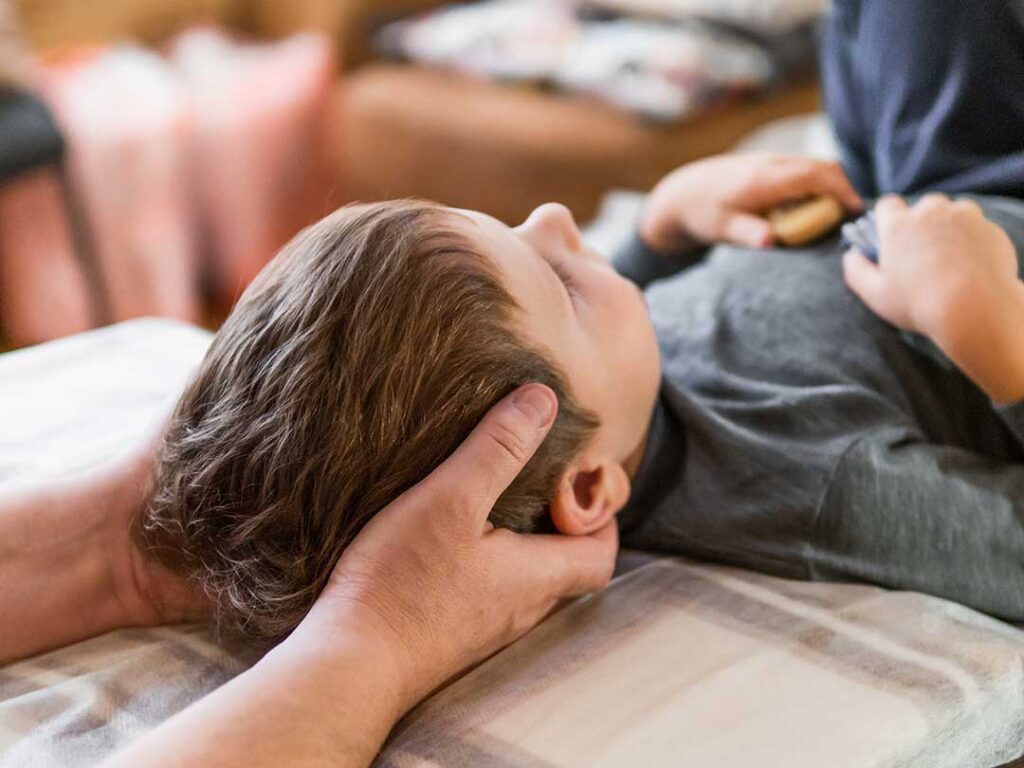
How Does Chiropractic Care Fit Into Family Life in North Castle, NY?
Chiropractic care supports families that lead busy, physically engaged lifestyles by focusing on how musculoskeletal health affects everyday movement and comfort. For families in North Castle, where children participate in local sports, parents enjoy regular exercise, and active outdoor habits are common, maintaining flexibility and addressing aches before they become bigger issues can be practical and preventative.
Many local households seek out information about chiropractic care not only after an injury but also as a means to stay mobile and minimize disruptions to daily life. A chiropractor typically evaluates alignment and joint function, which can directly impact how easily family members stay active throughout each season.
What Benefits Can Chiropractic Adjustments Offer to Active Children and Teens?
For children and teens, chiropractic evaluation focuses on mobility, posture, and resilience during periods of rapid growth or high activity. A child's musculoskeletal system adapts quickly, especially during growth spurts or after active play. Common issues addressed include:
- Managing discomfort from minor strains or falls in sports or playground activities
- Assessing and supporting healthy posture, especially with increased screen time or heavy backpacks
- Promoting balanced movement patterns, which may help reduce injury risk as children take on new physical activities
Adjustments and related care generally do not replace pediatric medical care but can complement a healthy, active routine for young residents in the community.
Can Adults in Active Households Benefit From Routine Chiropractic Care?
Adults juggling household responsibilities, recreational sports, long commutes, or yardwork often experience minor joint stiffness or back pain that can interfere with their ability to stay involved in family activities. Simple interventions, such as chiropractic adjustments or mobility exercises, may help manage:
- Persistent low back tightness, especially after gardening or shoveling during North Castle's seasonal weather changes
- Neck or shoulder tension from desk work or carrying young children
- Recovery from mild injuries without dependence on medications for musculoskeletal discomfort
If discomfort does not improve or is accompanied by unusual symptoms, consulting a physician is recommended to rule out underlying health conditions.
How Is Chiropractic Care Used Alongside Other Approaches in North Castle Households?
Families in North Castle often blend chiropractic visits with physical therapy, home stretching routines, or fellow community wellness programs. Many find it useful as part of a holistic approach for:
- Maintaining physical activity as a household value despite varying ages and fitness levels
- Managing the unique stressors of living in a region with varied weather and recreational patterns, from hiking the local trails to dealing with slick sidewalks in winter
- Supporting recovery after those inevitable minor strains that come with an active lifestyle
Chiropractic care is not a substitute for emergency care or direct medical intervention; it is most often used preventatively or as maintenance, to keep minor issues from escalating.
Are There Misconceptions About Chiropractic Care for Families?
Yes; some assume chiropractic care is only for adults with significant pain, or that adjustments are uncomfortable or risky for children. In practice, techniques used with children are gentler and tailored to their developing bodies. Questions about safety, evidence, and appropriateness often come up. Most reputable sources recommend discussing any new intervention with both a chiropractor and a family physician, especially for children, to ensure coordinated care.
Another misconception is that chiropractic visits must be frequent or lifelong. Many families use care selectively—after a sports incident, for posture checks during growth, or seasonally as schedules and activity levels change.

How Do Local Conditions Influence Family Chiropractic Needs?
North Castle families experience unique factors that shape their musculoskeletal health:
- Varying seasonal activities: From free play on local playgrounds to winter sports and leaf-raking in the fall, the type and frequency of activity changes through the year.
- Housing and commute patterns: Longer drives, working from home, or multi-story homes may create specific postural stresses not found everywhere.
- Community recreation: Walking trails, organized youth sports, and popular outdoor events can mean higher participation rates in physically demanding activities, increasing the odds of minor strains or overuse.
Being aware of these patterns helps area families anticipate when minor musculoskeletal support may be most useful.
What Questions Should North Castle Families Ask About Chiropractic Care?
To make informed decisions, local households often consider these direct questions:
- Is chiropractic care suitable for infants, children, or elderly family members with specific health conditions?
- How can parents recognize when a child's complaint may need more medical attention versus a routine check?
- What can be safely managed with chiropractic approaches at home, such as stretching or ergonomic adjustments, and when is a clinic visit preferable?
Clear conversation with both medical and chiropractic professionals helps ensure safe, coordinated care regardless of age.
How Do Families in the Community Usually Access Chiropractic Resources?
Residents commonly seek advice based on word-of-mouth, recommendations from pediatricians, or neighborhood forums, especially when a child sustains a minor sports injury or an adult experiences new back or shoulder pain after a household project. Many residents use chiropractic care in coordination with other wellness habits, like regular exercise, balanced nutrition, and periodic check-ins with primary care.
While there is growing acceptance of chiropractic as part of family health routines, parents often balance practical needs, time, and comfort before deciding on ongoing care for themselves or their children.
