
 See Our Latest Article on HelloNation
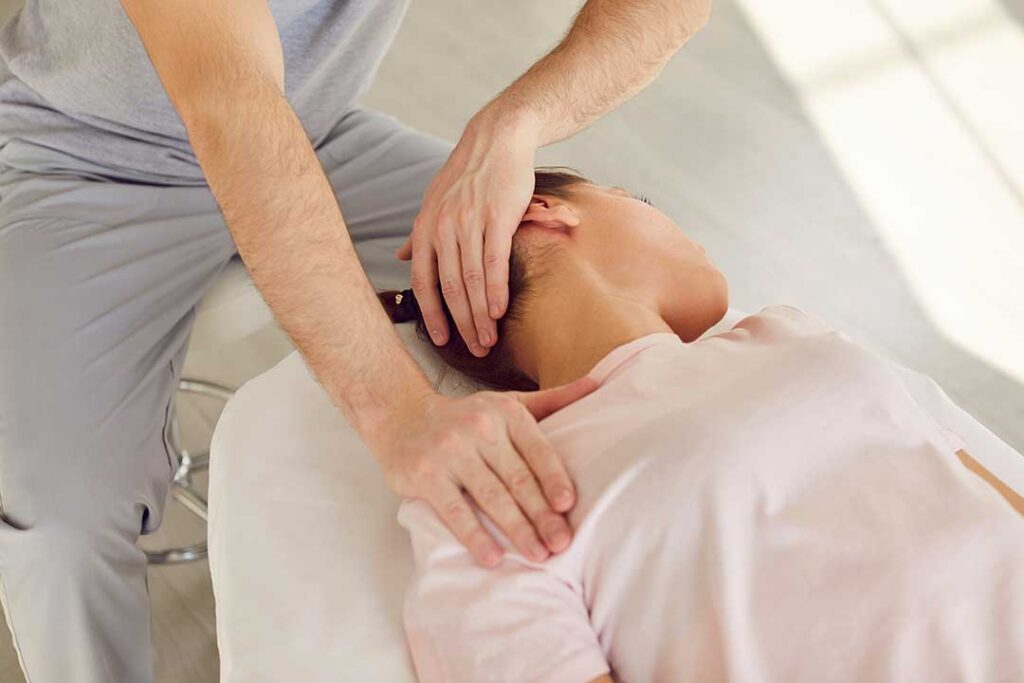
What Is a Spinal Adjustment?
A spinal adjustment, often called spinal manipulation, is a hands-on technique focused on moving joints in the spine to improve movement and reduce discomfort. The goal is typically to address mobility issues, muscular tension, and sometimes nerve-related symptoms, rather than simply “cracking” the back.
In North Castle, residents living in both newer developments and historic homes may encounter postural stress due to work-from-home setups, outdoor activities, or household chores. Spinal adjustments are sometimes sought to relieve back stiffness linked with these everyday routines.
How Do Spinal Adjustments Affect the Spine?
Spinal adjustments use controlled force, usually applied with the hands, to move specific spinal joints. This motion is meant to restore or increase joint mobility, which may become restricted by muscle tightness, joint swelling, or repetitive strain.
- The adjustment often targets “fixated” or limited joints.
- The force applied is measured—they aren’t meant to be rough.
- The audible “pop” (cavitation) some people hear comes from a quick change in joint pressure, not bones moving out of place.
The approach is personalized based on age, body type, and findings from a physical assessment. For example, adjustments may be gentler for older adults, particularly given the changes in bone density that can occur in colder months around North Castle.
What Does the Research Say About Effectiveness?
Research supports that spinal adjustments can offer temporary relief for some types of acute and chronic low back pain, neck pain, and certain types of headaches (like tension or cervicogenic headaches). Evidence is strongest for:
- Acute low back pain (pain lasting less than 6 weeks)
- Neck discomfort that is not linked to trauma or underlying disease
However, not all back pain conditions respond equally, and spinal adjustments are one tool among many (like exercise, heat, or posture changes). For local residents dealing with seasonal yard work, shoveling, or sitting at a desk, this method may complement other self-care strategies.
Are There Risks or Side Effects?
Spinal adjustments are generally considered safe when performed by a skilled, licensed practitioner. Some people in North Castle report mild soreness or discomfort afterward—much like after a new workout. Serious complications are rare but may include aggravation of existing injuries, especially if underlying conditions like osteoporosis or blood vessel disorders are present.
Most common, minor aftereffects:
- Temporary soreness or stiffness
- Fatigue
- Mild headache
It is not recommended for individuals with:
- Fragile bones or severe osteoporosis
- Certain blood clotting disorders
- Recent spinal surgery
What Are Common Misconceptions About Spinal Adjustments?

Many local residents hear myths about spinal adjustments. Two of the most common misconceptions include:
- Belief that bones are being “put back in place”: Actually, the adjustment doesn’t realign bones but helps restore normal motion between spinal joints.
- Hearing a popping sound means success: The sound itself is not required; adjustments can be effective with or without noise.
There’s also no evidence that regular spinal adjustments “prevent” spine conditions in people without symptoms, although some individuals choose ongoing adjustment for perceived well-being.
When Might Residents Consider a Spinal Adjustment?
People in North Castle might seek out spinal adjustments when experiencing:
- Back or neck discomfort after yard work, snow shoveling, or sports
- Stiffness or immobility from frequent desk or remote work
- Headaches linked to muscle tension in the neck
- Minor strains from routine household tasks
It’s wise to discuss persistent or severe symptoms with a qualified healthcare provider, as some back pain may be linked to non-musculoskeletal causes, especially if accompanied by symptoms like numbness, loss of strength, or changes in bladder function.
How Does the Local Lifestyle in North Castle Relate?
Adjustments are sometimes integrated into the active lifestyles found across North Castle. With numerous parks, walking trails, and recreational facilities, many residents enjoy staying active but may occasionally experience joint stiffness, muscle soreness, or mild injuries. Likewise, people living and working in multi-level homes or older properties may experience different spinal stresses than those in newer buildings.
Adapting home office spaces, practicing safe lifting techniques for garden or snow equipment, and maintaining regular movement can all contribute to spinal well-being in the area. Spinal adjustments are one piece of a broader approach that includes stretching, strengthening, and ergonomic adjustments, particularly relevant with seasonal changes in the Hudson Valley climate.
What Should You Expect If You Try an Adjustment?
A typical visit includes a health history, postural assessment, and sometimes physical tests to ensure the approach is right for you. People usually lie on a padded table while the practitioner applies a quick, specific movement to a spinal joint, sometimes using a special hand-held tool for gentler force.
You will typically remain fully clothed, and sessions are usually short. Most people return to normal activity quickly afterward. Some adjustments can also be combined with advice on exercises, stretches, and other self-management tips—something especially relevant for area families managing a busy household routine.
