
 See Our Latest Article on HelloNation
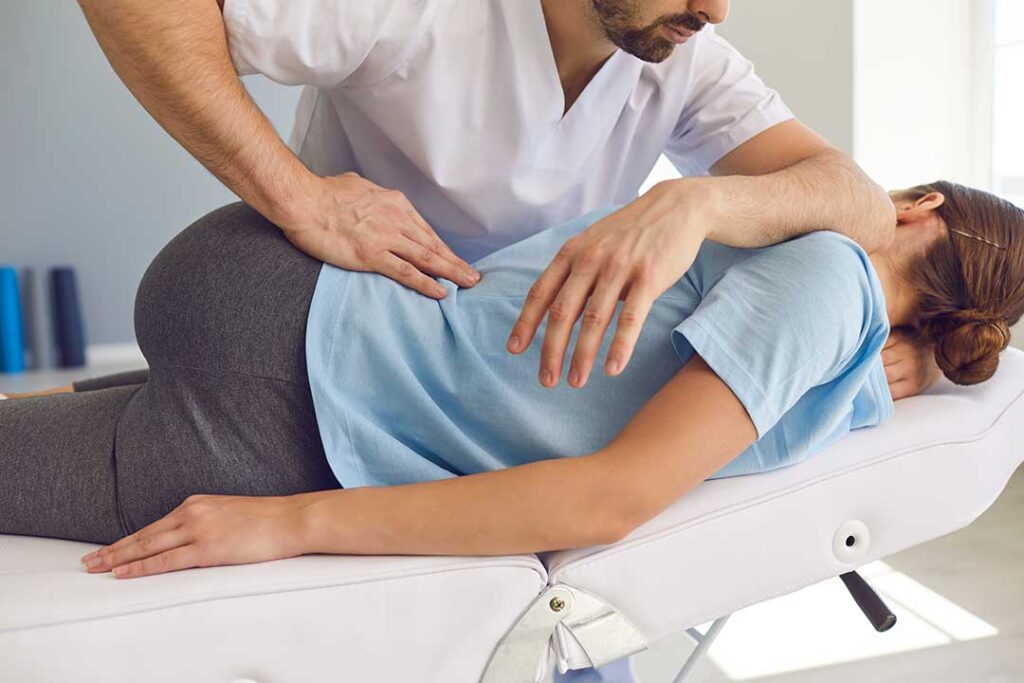
What Are Minor Back Strains and Why Do They Happen?
Minor back strains are among the most common musculoskeletal complaints experienced by residents in North Castle, NY, and are typically caused by stretched or torn muscles or ligaments in the lower, middle, or upper back. This often results from everyday activities such as lifting groceries, yard work, shoveling snow (particularly in local winters), gardening, or unexpected twists while doing household chores. Local factors, like seasonal snow and ice or spending long periods driving in suburban traffic, can also contribute.
Most minor strains result in pain, stiffness, or mild swelling, but do not cause severe or lasting damage. Symptoms usually ease within a few days to a week when managed with appropriate home care.
What Should Area Residents Do Immediately After a Back Strain?
Start by protecting your back from further injury and avoid movements that triggered the strain. For the first 24-48 hours:
- Take a break from strenuous activities, but do not remain completely immobile.
- Use cold therapy—placing a cold pack or bag of frozen vegetables wrapped in a towel on the sore area for 15-20 minutes at a time several times per day.
- Gently support your lower back with pillows while sitting or lying down.
- Avoid heavy lifting or twisting motions.
While rest is helpful, remaining entirely inactive can prolong stiffness. Light walking around the house often promotes circulation and aids healing.
How Should Local Residents Approach Pain Relief Safely at Home?
For mild to moderate discomfort, non-prescription over-the-counter options are often sufficient. Many North Castle households keep acetaminophen or non-steroidal anti-inflammatory drugs (NSAIDs) like ibuprofen available. Read all labels, follow dosing instructions, and be aware of allergies or contraindications.
Applying heat after the initial 48 hours can help with lingering tightness. A warm compress, heating pad on a low setting, or a warm bath are common local remedies during colder months.
It’s a misconception that only rest helps—you can gently return to everyday activity as pain allows, avoiding anything that triggers discomfort.
Is Stretching or Light Exercise Safe for a Minor Back Strain?
After the initial pain subsides, gentle movement usually helps maintain flexibility and prevents stiffness. Safe options for North Castle residents include:
- Easy walking, starting with short periods and gradually increasing duration
- Gentle stretching, such as bringing knees toward the chest while lying on the back or pelvic tilts
- Practicing movements slowly and stopping at the first sign of sharp pain
It’s wise to avoid yoga poses that require deep bending or twisting in the first week. Snow shoveling, heavy gardening, or vigorous exercise should be postponed until soreness fully resolves.
Can Lifestyle and Home Environment in North Castle Affect Healing?
Local lifestyle habits play a significant role in back health. Many homes in North Castle have stairs, which can be challenging during the healing process—residents may benefit from arranging daily necessities on one level to reduce up-and-down trips. Slippery driveways and walkways during winter months increase the risk of aggravating an existing strain, so taking shorter outdoor trips and using handrails when available is advised.
Supportive, adjustable chairs at home and proper computer setup also make a difference. Simple corrections like placing both feet on the floor while sitting and using a cushion for lumbar support can reduce strain during recovery.
When Should Residents Seek Medical Attention for a Back Strain?
Most minor strains resolve on their own, but some symptoms signal the need for professional evaluation:
- Severe, unrelenting pain or pain that radiates down the leg
- Numbness, tingling, or weakness in the legs
- Loss of bladder or bowel control
- Pain after a fall or impact
- Pain lasting beyond two weeks without improvement
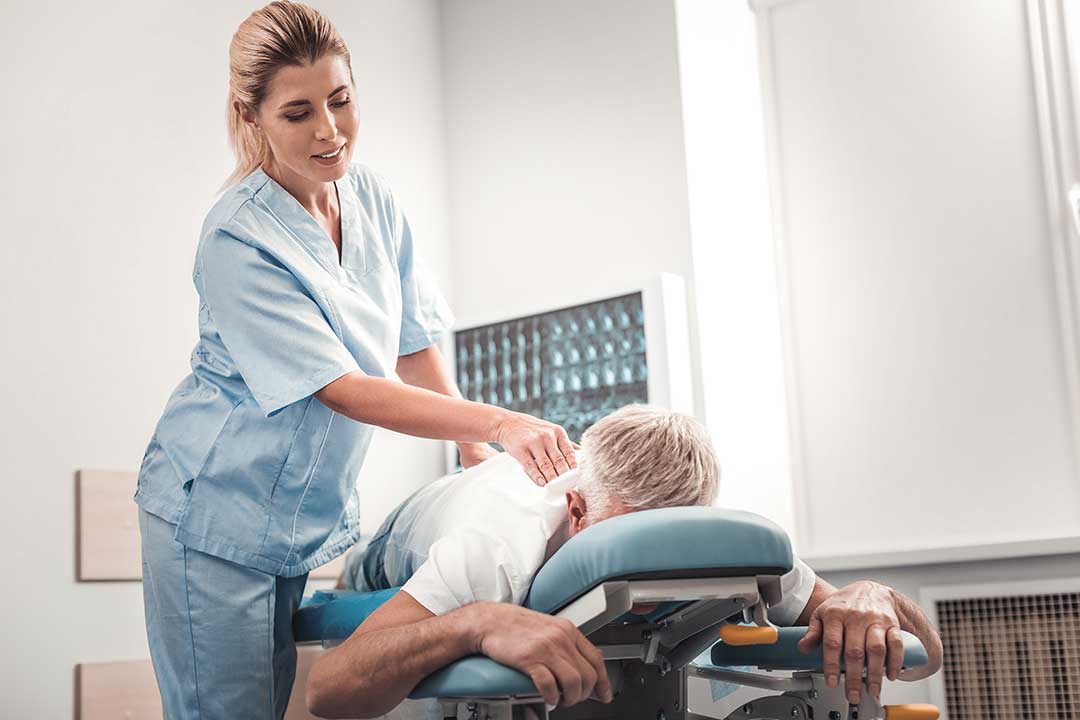
In these cases, call a healthcare provider for further assessment. Residents with medical conditions, advanced age, or osteoporosis should be particularly cautious.
What Common Missteps Can Slow Recovery?
Misunderstandings about care can unintentionally cause longer recoveries. Residents sometimes:
- Remain in bed too long, delaying the return of mobility and causing stiffness
- Skip ice or heat therapy
- Rush back into heavy chores or exercise before fully recovered
- Use poor posture while sitting or working around the house
Planning for support from family or friends during recovery, especially for tasks like lifting or shoveling, can help prevent setbacks.
Are There Preventive Steps to Avoid Future Strains?
Many back strains are preventable with minor adjustments in daily habits. Area households often benefit from:
- Regular moderate physical activity, such as walking on local paths or swimming
- Learning proper lifting techniques (bending the knees, keeping the back straight)
- Staying aware of ergonomic posture while at computers or driving
- Using proper footwear with good grip during icy months
Educating household members about these strategies can reduce the likelihood of recurring issues.
