
 See Our Latest Article on HelloNation
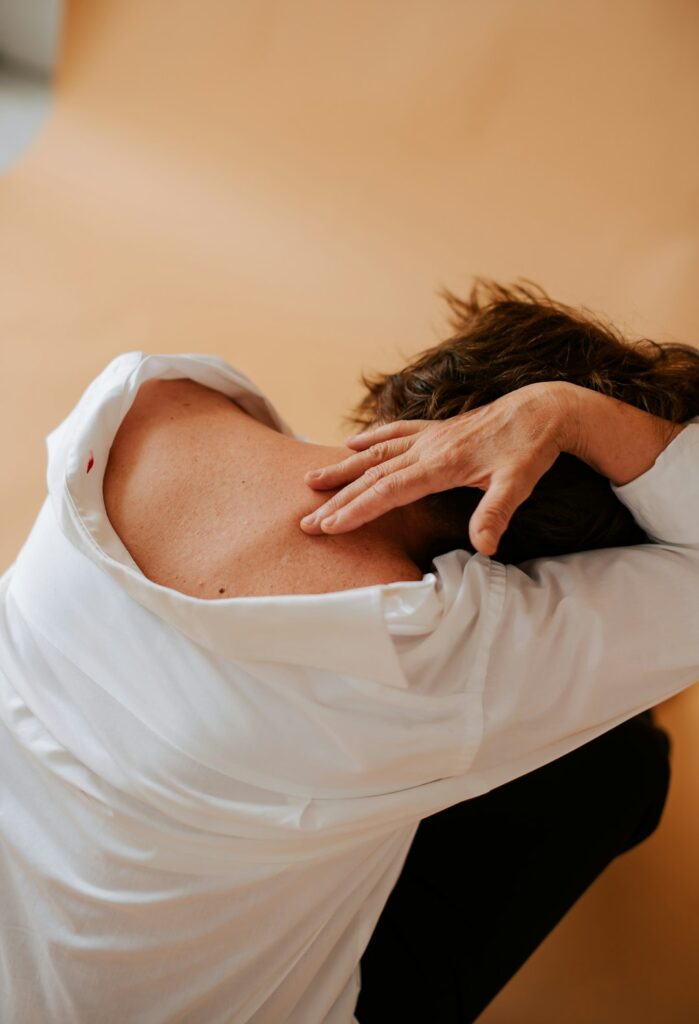
Is a minor ache really worth paying attention to?
Often, a mild ache is not an emergency. It may result from a temporary muscle strain, an awkward sleeping position, repetitive activity, or a sudden change in exercise. However, pain that keeps returning, gradually worsens, or changes how you move should not be dismissed simply because it feels manageable.
Pain is a protective signal. It can indicate that a joint, muscle, tendon, ligament, or nerve is being placed under more stress than it can comfortably handle. Ignoring that signal may allow a small problem to become a longer-lasting limitation.
For residents of North Castle, everyday routines can create many opportunities for minor aches to develop. Long periods of driving, desk work, home maintenance, yard work, winter conditions, and uneven outdoor surfaces may all affect the back, neck, shoulders, hips, knees, and feet.
What can happen if you ignore a small ache?
The main concern is not that every minor ache will become serious. The concern is that persistent discomfort can gradually change movement patterns.
For example, someone with a sore knee may unconsciously shift more weight to the other leg. A person with neck pain may turn the entire torso instead of moving the head. Someone with low back discomfort may avoid bending, lifting, or walking normally.
These adjustments can place extra strain on other areas. Over time, a person may notice:
- Reduced flexibility
- Muscle tightness or weakness
- Stiffness after sitting or sleeping
- Less comfortable walking or climbing stairs
- More frequent headaches or upper-back tension
- Difficulty exercising or completing household tasks
- Greater sensitivity to movements that were previously easy
Pain can also affect sleep and concentration. A problem that begins as an occasional annoyance may become more disruptive when the body has fewer opportunities to recover.
When is an ache more than ordinary soreness?
Ordinary soreness often follows an unfamiliar activity and gradually improves with rest, gentle movement, and time. Pain deserves closer attention when it does not follow that pattern.
Consider getting medical guidance if discomfort:
- Lasts longer than expected or keeps returning
- Is becoming more intense or more frequent
- Causes limping or changes in posture
- Limits work, exercise, sleep, or household activities
- Comes with swelling, warmth, or reduced joint motion
- Travels into an arm or leg
- Includes numbness, tingling, burning, or weakness
- Appears without an obvious cause
- Develops after a fall, collision, or other injury
The location of pain does not always identify its source. For example, discomfort in the shoulder may involve the neck or upper back, while pain around the hip may be influenced by the lower back, pelvis, or leg. A careful assessment focuses on the pattern, timing, movement limitations, and accompanying symptoms rather than the painful spot alone.
Which warning signs require prompt attention?
Some symptoms should not be managed as routine muscle or joint soreness. Prompt medical evaluation is appropriate for pain accompanied by new weakness, loss of balance, significant numbness, fever, unexplained weight loss, or rapidly increasing severity.
Back pain requires urgent attention if it follows a serious fall or impact, is associated with loss of bladder or bowel control, or causes numbness around the inner thighs or buttocks. Sudden chest pressure, severe shortness of breath, fainting, or pain spreading into the arm or jaw may indicate a medical emergency rather than a musculoskeletal problem.
A person who is unsure whether symptoms are urgent should describe the symptoms to a medical professional or emergency service rather than attempting to diagnose the cause alone.
What can residents do during the first few days?
For a mild ache without warning signs, the first step is usually to reduce aggravating activity without becoming completely inactive. Prolonged bed rest can increase stiffness and make normal movement more difficult.

Helpful early measures may include:
- Taking brief walking or movement breaks instead of sitting for long periods
- Using comfortable, pain-free ranges of motion
- Temporarily reducing heavy lifting, repetitive reaching, or high-impact exercise
- Applying cold after a recent strain when swelling is present
- Using gentle warmth for stiffness when it feels soothing
- Adjusting sleep, work, or driving positions
- Recording when the pain occurs and what seems to improve or worsen it
Over-the-counter pain medicine may be appropriate for some people, but it is not safe for everyone. Medical conditions, pregnancy, allergies, kidney disease, stomach problems, blood-thinning medication, and other factors can affect which medicines are suitable. Medication labels should be followed carefully, and a pharmacist or medical professional can help clarify questions.
Should you keep exercising with minor pain?
Usually, gentle movement is preferable to complete inactivity, but pain should guide the intensity. An activity that causes sharp, escalating, or radiating pain is not the same as mild stiffness that eases as the body warms up.
A safer approach is to reduce the duration, resistance, speed, or frequency of the activity. For example, a person with mild knee soreness might choose a shorter walk on an even surface rather than hills or jumping. Someone with shoulder discomfort might temporarily avoid repeated overhead lifting while maintaining comfortable lower-body movement.
Pain that causes limping, remains severe after exercise, produces notable swelling, or continues into the night warrants medical guidance. Returning to activity should be gradual rather than based only on whether symptoms disappeared for a few hours.
How can a chiropractor fit into the evaluation of minor aches?
Chiropractic care commonly focuses on the relationship between spinal and joint movement, muscle function, posture, and everyday activities. A chiropractor may assess how symptoms began, which motions are limited, and whether the pattern appears appropriate for conservative care.
That evaluation should include recognizing situations that require referral to another medical professional. Chiropractic care is not a substitute for emergency treatment, management of infection, evaluation of unexplained weight loss, or care for serious neurological symptoms.
The most useful care plan is based on the actual cause and severity of the problem. Depending on the findings, appropriate guidance may include movement modification, exercises, ergonomic changes, or referral for medical testing or another type of care.
What daily habits help prevent recurring aches?
Prevention is less about maintaining perfect posture and more about avoiding long periods of the same posture or activity. Change positions regularly, use both sides of the body during household tasks when possible, and increase exercise gradually.
During seasonal home maintenance, divide demanding jobs into shorter sessions. Snow-related work, lifting storage containers, gardening, and repeated bending can be especially taxing when muscles are not accustomed to them. Warm up with easy movement, keep loads close to the body, and ask for assistance with objects that are too heavy or awkward to control safely.
Regular walking, strength training, flexibility work, and balance activities can support joint function and reduce deconditioning. The right amount depends on age, health history, and current symptoms. Persistent or recurring pain should be addressed before beginning a more demanding exercise routine.
Minor pain does not always signal serious damage, but it should provide useful information. Paying attention early can help identify aggravating habits, preserve normal movement, and reveal when a symptom needs more careful evaluation.
